Communicating
How the team shares information
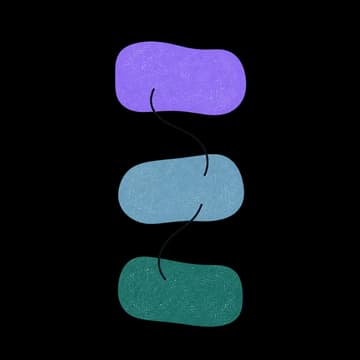 OrderedInformation is surfaced and shared through defined processes and forums
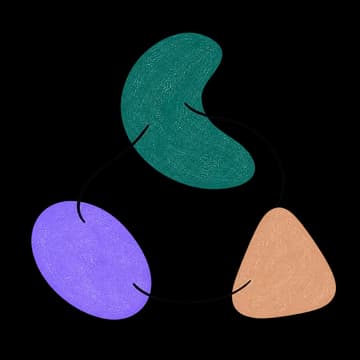 InformalInformation is surfaced and shared organically

The 16 Team Types
Teams are categorized into one of 16 team "types" (or TeamDynamics) based on the norms they exhibit for communicating and collaborating to get work done.
Click on each team type to read more.
Each letter describes one of four dimensions: communicating, processing, deciding, and executing. Explore a type for its strengths, blind spots, and practical areas for growth.
THE BEHAVIORS BENEATH THE TYPE
Four dimensions describe the most important elements of team interactions. Eight Dynamics represent opposite behaviors along these dimensions.
How the team shares information
OrderedInformation is surfaced and shared through defined processes and forumsInformalInformation is surfaced and shared organicallyHow the team interprets shared information
 RelationalThe source of the information matters when it is being evaluated
 LogicalInformation is evaluated on its own merits without regard to source
How the team arrives at a course of action
 ConcordantDecision is driven by consensus among team members
 AuthoritativeDecision is driven by direction from team leadership
How the team works towards its objectives
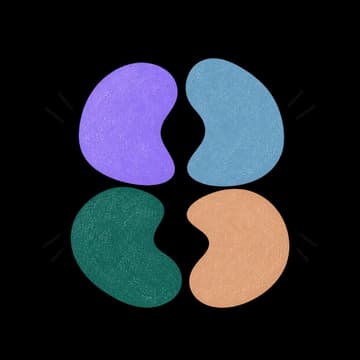 DeliberatePlans are thorough, closely followed, and regularly updated
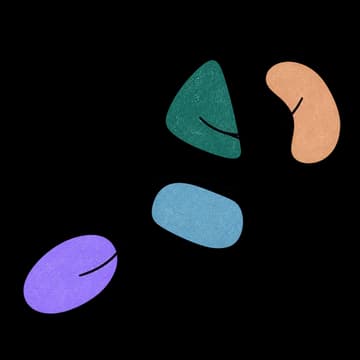 SpontaneousLightweight plans favor agility and adaptability
We spend just as much time today with our coworkers as we do with our loved ones. We have tools to manage our relationships with partners: love languages, compatibility tests, therapy, and more.
But when it comes to relationships with our professional teams, we're flying blind. It doesn't have to be that way.
TeamDynamics is a team building tool to help the modern team get more done and have more fun while doing it. Quantify your team's behaviors. Describe them with a shared language. Improve your team's performance with tailored recommendations.
“I've used TeamDynamics with a range of clients. Each time, it's helped me quickly understand the team I'm working with, leading to faster results and happier clients.”
“I've managed teams for two decades. Haven't seen many personality tests that can rival TeamDynamics for practicality. Notably enhanced our team's cohesion and productivity.”
“Using TeamDynamics across our organization helps us anticipate issues when we work cross-functionally. It makes work more enjoyable (and way more efficient).”
FROM INSIGHT TO ACTION
Your team’s report brings together what participants observe about how the team works. Each person’s working preferences are compared separately in CoDynamics.
Team behavior
Describe how you prefer to work and how your team works.
Your TeamDynamics
OLAS
Explore your team’s working style and how your preferences fit.
Discuss as a team
Use the discussion guide to agree on practical next steps.
BUILT FOR TEAMS
There's no "I" in team, so why are we still using individual personality tests from the 1950s in today's workplace?TeamDynamics is the personality test for the modern team. Here's how it compares to other popular workplace personality tests: Myers-Briggs Type Indicator (MBTI), StrengthsFinder 2.0 (CliftonStrengths), and the DiSC personality assessment.
| Capability | TeamDynamics | MBTI | CliftonStrengths | DiSC |
|---|---|---|---|---|
| Designed for today's workplace | ✓ | — | ✓ | — |
| Individual insights | ✓ | ✓ | ✓ | ✓ |
| Team personality profile | ✓ | — | — | — |
| Actionable recommendations to improve performance | ✓ | ✓ | — | — |
| Easy-to-apply framework | ✓ | ✓ | — | ✓ |
| Works with other personality tests | ✓ | — | — | — |
| Personalized presentation to facilitate a team discussion | ✓ | — | — | — |
| Price per user | $29 - $39 | $60 | $60 | $90 |